
Herbicide Tolerance Traits: Overcoming Recombinant Protein Production and Purification Bottlenecks
An Overview of Physiological Roles, Mechanisms, Tolerance, and Recombinant Expression Bottlenecks

Biomanufacturing for Crop Traits Part 2.
Even when a trait protein is expressed in a genetically modified crop, the amount recoverable from plant tissue may be insufficient for biochemical characterization or safety testing. Recombinant surrogates can provide the required material when a weight-of-evidence comparison demonstrates sufficient biochemical and functional similarity to the crop-produced protein for the intended use. [Brune et al., 2021; Wang et al., 2024].
For complex herbicide tolerance enzymes and insecticidal proteins, alternative expression platforms can provide a practical next option when plant extraction or standard expression workflows cannot reliably deliver sufficient, active, purified protein at the required scale.
The practical question is therefore: Can enough correctly folded, stable, active protein be produced and appropriately characterized for its intended use?
Key takeaways
- Why protein supply matters: Successful trait expression in crops does not guarantee enough purified, active protein for downstream studies.
- Herbicide tolerance mechanisms: Crops tolerate herbicides through reduced target sensitivity or enzymatic detoxification.
- EPSPS: Soluble recovery, construct design and protein processing influence recombinant production and comparability with crop-produced EPSPS.
- HPPD: Functional protein yield depends on iron-dependent catalytic activity, alongside protein quantity and purity.
- AHAS/ALS: Assembly, cofactors, and study-specific requirements for regulatory subunits determine the functional protein needed.
- PAT: Successful bacterial production provides a starting point for demonstrating analytical and functional comparability with crop-produced PAT.
- AAD-1/AAD-12: Functional characterization must account for iron-dependent activity and each enzyme’s substrate and enantiomer preferences.
- DMO: Active DMO requires correctly assembled trimers and functional metal centers, while activity testing requires a compatible electron supply.
- Nitrilase: Preserving active homodimers and catalytic activity supports recovery of functional bromoxynil-detoxifying protein.
- Current HT traits: Explore representative trait proteins, herbicides, crops, transformation events and biological sources.
- RNAi and CRISPR: Gene silencing and genome editing expand crop trait development alongside established transgenic HT enzyme systems.
- From trait discovery to protein supply: Early planning and alternative platforms such as EntoEngine® can help address recombinant surrogate production bottlenecks.
Introduction
In Part 2 of this crop trait blog series, we examine selected herbicide tolerance (HT) traits and the enzymes that enable them. With a special focus on a familiar concern that often determines whether a trait moves forward: the question is no longer whether the trait protein is expressed in the plant, but whether sufficient correctly folded, stable, and active protein can be obtained and fully characterized for its intended use.
A genetically modified crop may express the intended trait protein successfully in plants, yet still fail to yield enough purified, active, representative material for biochemical characterization, analytical-method development, and intended safety and regulatory studies. Low protein abundance in plant tissues, matrix complexity, instability during extraction, cofactor dependence, and gaps between crop-produced and recombinant surrogate proteins can place protein supply at critical risk during trait development.
This article uses selected HT systems such as EPSPS, PAT, AAD, DMO, HPPD, ALS/AHAS, and nitrilase as examples of different protein production challenges in HT trait development. For each system, we highlight the target enzyme, herbicide mode of action (MOA), tolerance mechanism, and relevant protein production challenges. We briefly discuss RNA interference (RNAi) and CRISPR-based genome editing as adjacent crop trait technologies.
Common Protein Production Constraints Across Herbicide Tolerance Traits
Several recurring bottlenecks can limit the production of purified, functional proteins for characterization and safety studies. These challenges should be evaluated across the entire production workflow, from expression through extraction, purification and final protein qualification.
- Expression: Low expression levels limit the amount of target protein available for downstream processing. Potential solutions include optimizing construct design, promoters or codon usage, or evaluating an alternative expression host.
- Extraction and recovery: Adequate expression does not guarantee efficient recovery. Protein may remain associated with cellular components or tissues, or be lost during extraction and clarification. Matrix complexity and proteolytic degradation can further reduce the amount of recoverable target protein.
- Solubility: Recombinant proteins may partition into insoluble aggregates or inclusion bodies, reducing the fraction available for purification. The impact depends on the protein and the intended production system; insoluble protein may require additional processing to recover a functional product.
- Purification yield and stability: Protein can be lost during purification or undergo degradation, aggregation or other changes during processing and storage. Evaluating recovery at individual process steps helps identify the main bottlenecks and determine whether process optimization is needed.
- Functional activity: Detecting the target protein or achieving high purity does not necessarily demonstrate that it retains its intended function. Misfolding, altered assembly, missing cofactors or incompatible assay conditions can affect measured activity. Functional characterization should therefore complement measurements of protein quantity and purity where relevant.
- Comparability to the crop-derived protein: For regulatory safety studies, the suitability of a recombinant surrogate should be evaluated against the crop-expressed protein.
Protein-Based Input Traits
Herbicide Tolerance Traits
Herbicide tolerance in a crop is commonly achieved through two strategies:
- Target-site tolerance: an endogenous or introduced herbicide-target enzyme that has reduced sensitivity to herbicide inhibition while retaining sufficient catalytic activity.
- Metabolic detoxification: an introduced enzyme that converts the herbicide to a less phytotoxic metabolite before the herbicide can substantially inhibit its plant target
This article covers selected target-site and metabolic-detoxification systems.
| Mechanistic strategy | Trait function | Examples |
| Target-site tolerance | An endogenous or heterologous target enzyme that retains sufficient catalytic activity in the presence of the herbicide | CP4 EPSPS, ALS/AHAS variants, HPPD variants |
| Metabolic detoxification | A heterologous enzyme that converts herbicide to a less toxic metabolite | PAT/BAR, AAD-1/AAD-12, DMO, GOX, GAT, BXN Nitrilase |
Target-Site Tolerance
5-enolpyruvylshikimate-3-phosphate synthase
Enzyme: 5-enolpyruvylshikimate-3-phosphate synthase (EPSPS)
Physiological Role: EPSPS is a key enzyme in the shikimate pathway which is required for the synthesis of three aromatic amino acids, phenylalanine, tyrosine, and tryptophan in plants, bacteria, and yeast. The shikimate pathway is absent from mammals, making EPSPS an attractive target for herbicide development.
The EPSPS enzyme catalyzes the transfer of enolpyruvoyl moiety from phosphoenol pyruvate (PEP) to 5-hydroxyl of shikimate-3-phosphate (S3P), forming EPSP. Bacterial EPSPS are commonly 43–47 kDa, but plant EPSPS could be larger ~55 kDa due to the N-terminal plastid-targeting peptides. [Alibhai et al., 2001, Della-Cioppa et al., 1986].
Herbicide: Glyphosate
Glyphosate MOA: Glyphosate inhibits EPSPS, preventing the plants from producing the three essential amino acids. As a competitive inhibitor of PEP, glyphosate exhibits strong binding to the EPSPS-S3P complex, rendering the enzyme inactive and blocking the shikimate pathway. This leads to chlorosis, growth inhibition, and eventual necrosis of the susceptible plants [Reed et al., 2024].
Glyphosate Tolerance: Glyphosate is a broad-spectrum herbicide that affects most plants when sprayed. To establish glyphosate tolerance, glyphosate-insensitive EPSPS variants (~47.4 kDa) are introduced into the crop. A common variant is CP4 EPSPS from Agrobacterium sp. strain CP4, which is highly resistant to glyphosate. EPSPS variants with double mutations (2mEPSPS), such as T97I/P101S or T103I/P107S have also been employed [Funke et al., 2009, Herouet-Guicheney et al., 2009]. As a result, the crops carrying these insensitive EPSPS exhibit decreased affinity to glyphosate binding while retaining its catalytic activity. The other plants/weeds without modification remain susceptible to glyphosate activity.
Glyphosate metabolic detoxifying enzymes such as glyphosate oxidoreductase (GOX) and/or glyphosate acetyltransferase (GAT) have also been introduced to confer glyphosate tolerance [Duke et al., 2011, Castle et al., 2004].
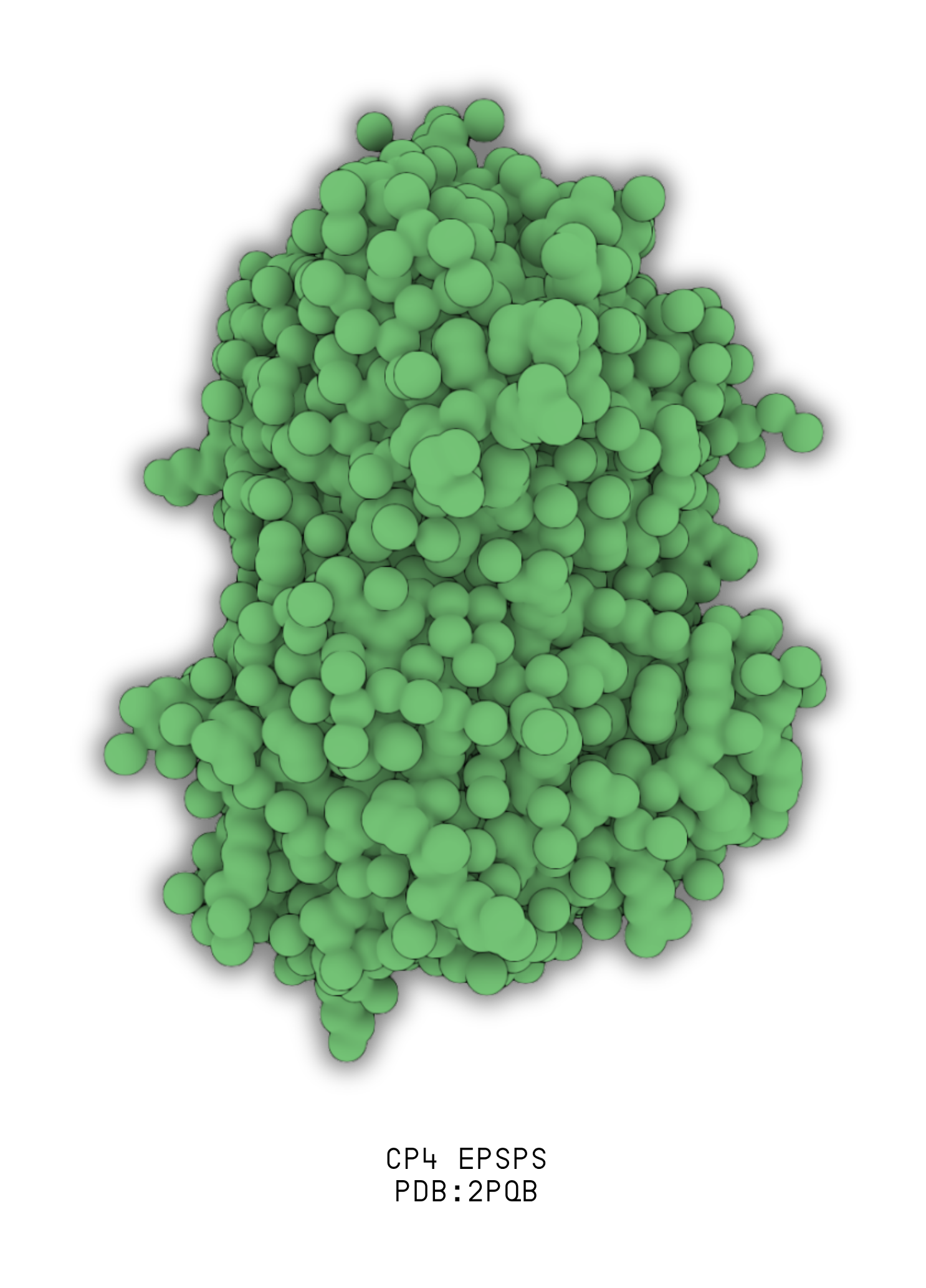
Expression Challenges for EPSPS
EPSPS can be produced in E. coli and recovered as an active enzyme. For example, recombinant mature Petunia hybrida EPSPS accounted for approximately 1% of the total extractable protein in E. coli and was purified as a highly active, homogeneous enzyme [Padgette et al., 1987]. CP4-EPSPS has also been recovered in soluble form and purified using Ni-NTA affinity chromatography. SDS-PAGE showed no obvious degradation after 25 days at room temperature [Peng et al., 2022].
Soluble recovery can, however, vary with the host strain, construct, and expression conditions. Expression of Staphylococcus aureus EPSPS in four E. coli strains yielded insoluble protein at 37°C, whereas induction at a lower temperature allowed soluble recovery in one strain [Priestman et al., 2005]. Some Streptomyces EPSPS homologues were expressed and purified as maltose-binding protein fusions to address low solubility [Griffin et al., 2021]. These examples show why production conditions need to be considered for each EPSPS protein. Sequence changes can also affect substrate affinity and glyphosate sensitivity [Funke et al., 2009]. Soluble yield and catalytic properties should therefore be assessed for the particular EPSPS variant and its intended application.
Construct design also affects how closely a recombinant surrogate represents crop-produced EPSPS. Plant EPSPS is synthesized as a precursor with an N-terminal chloroplast transit peptide. This peptide is removed during import into the chloroplast to produce the mature enzyme [Della-Cioppa et al., 1986]. The Petunia hybrida study used a construct encoding this mature form without the transit peptide [Padgette et al., 1987]. Similarly, the recombinant CP4-EPSPS construct described by Wu et al. excluded the targeting peptide but retained a His tag and additional vector-derived sequence [Wu et al., 2017]. Comparison with crop-produced EPSPS should therefore consider these sequence additions or differences, together with protein identity, molecular weight, and catalytic activity.
4-hydroxyphenylpyruvate dioxygenase
Enzyme: 4-hydroxyphenylpyruvate dioxygenase (HPPD)
Physiological Role: HPPD is an Fe(II)-dependent, non-heme oxygenase that catalyzes the conversion of 4-hydroxyphenylpyruvate (4-HPP) into homogentisic acid (HGA) in plants. Depending on the organism and precursor-processing state, HPPD monomers are approximately 40–50 kDa.
HGA is a precursor of plastoquinone and 𝛂-tocopherol. Plastoquinone is required for photosynthetic electron transport and carotenoid biosynthesis, whereas tocopherols function as lipid-soluble antioxidants [Moran, 2004].
Herbicide: HPPD inhibitors
Representative HPPD-inhibitor herbicide examples:
- Triketones: sulcotrione, mesotrione, tembotrione
- Pyrazoles: topramezone, benzofenap, pyrasulfotole
- Isoxazoles: isoxaflutole
HPPD inhibitor MOA: Inhibition of HPPD blocks the formation of HGA, depleting plastoquinone and tocopherols. Loss of plastoquinone destabilizes photosynthetic electron transport and leads to photo‑oxidative degradation of chlorophyll and carotenoids, resulting in chlorosis and bleaching of foliage. Inhibitor treatment also causes accumulation of phytoene, a colorless carotenoid precursor [Matringe M et al., 2005].
HPPD inhibitor Tolerance: Tolerance to HPPD inhibitor herbicides is imparted by the introduction of modified HPPD enzymes with reduced herbicide sensitivity (~48 kDa) into the crops. These engineered HPPDs retain catalytic activity supporting HGA production in the presence of the herbicide. Some examples include:
| Trait description | Gene | Source |
| Isoxaflutole tolerance | hppdPF W336 | Pseudomonas fluorescens strain A32 |
| Mesotrione associated tolerance | avhppd-03 | Avena sativa |
| Broad HPPD-inhibitor tolerance | hppdPf4Pa | Pseudomonas fluorescens |
| Destosyl pyrazolate (DTP)-resistant HPPD | CjHPPD | Coptis japonica cells |
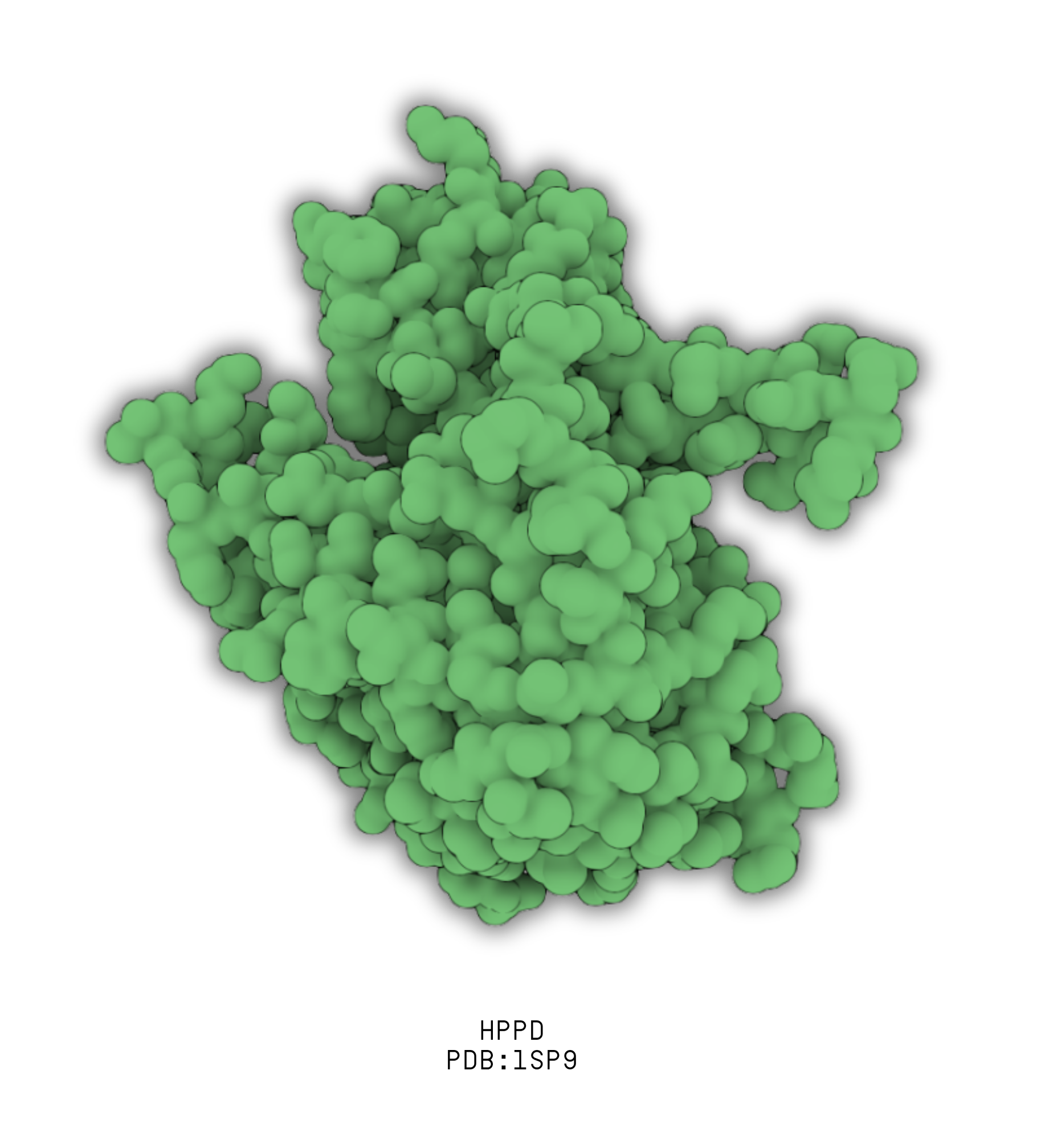
Expression Challenges for HPPD
For HPPD, a key consideration is functional protein yield: the amount of recovered protein that shows catalytic activity under specified assay conditions, including Fe²⁺ availability. Recombinant Arabidopsis thaliana HPPD was expressed in E. coli and purified through several chromatography steps, with purity assessed by SDS-PAGE. However, the recovered enzyme showed very low activity, which was restored by adding Fe²⁺ to the assay buffer [Lin et al., 2019]. This shows why protein quantity and purity alone cannot establish how much functional enzyme has been recovered.
Comparison of recombinant and crop-produced HPPD should therefore include protein identity, molecular weight, and purity, together with measurements of enzyme activity. Specific catalytic activity could be compared under matched assay conditions by measuring homogentisate formation. HPLC has been used to measure this product in studies of recombinant Arabidopsis thaliana HPPD [Lederer and Böger, 2005]. Measuring activity before and after a specified addition of Fe²⁺ could also reveal differences between preparations that may be masked when both are tested only with added iron.
Together, these measurements would help establish whether sufficient active HPPD has been recovered and whether the recombinant protein adequately represents crop-produced HPPD for the intended application.
Acetohydroxyacid synthase
Enzyme: Acetohydroxyacid synthase (AHAS)
Physiological Role: Acetohydroxyacid synthase (AHAS), also known as acetolactate synthase (ALS), is a thiamin diphosphate (ThDP)-dependent enzyme. Plant AHAS consist of two subunits, a catalytic and a regulatory subunit. The catalytic subunit is typically 60–66 kDa [McCourt et al., 2006].
AHAS catalyzes the first step in branched-chain amino acid (BCAA) biosynthesis (valine, leucine, isoleucine) in plants. Specifically, AHAS facilitates two reactions:
- Condensation of two molecules of pyruvate to form acetolactate, a precursor to valine and leucine.
- Condensation of one molecule of pyruvate with one molecule of 2-ketobutyrate to form 2-acetohydroxybutyrate, precursor to isoleucine.
AHAS is also found in fungi, bacteria, and algae, but absent in animals, making it a selective herbicide target (similar to EPSPS).
Herbicide: AHAS/ALS inhibitors
AHAS/ALS inhibiting herbicide examples:
– Sulfonylureas: chlorsulfuron, halosulfuron, nicosulfuron
– Imidazolinones: imazethapyr, imazamox, imazapyr
– Triazolopyrimidines: flumetsulam, cloransulam-methyl, penoxsulam
– Pyrimidinylthiobenzoates: pyrithiobac-sodium, bispyribac-sodium
– Sulfonylaminocarbonyl-triazolinones: flucarbazone-sodium
AHAS/ALS inhibitor MOA: ALS inhibitor herbicides bind within the catalytic active-site channel, sterically hindering substrate access. This blocks formation of acetolactate and 2‑acetohydroxybutyrate, causing BCAA deficiency. In many systems, ALS inhibition also leads to accumulation of upstream metabolites (2‑ketobutyrate and 2‑aminobutyrate), which can contribute to phytotoxicity. BCAA depletion impairs protein synthesis and cell division, leading to growth arrest, chlorosis, necrosis, and plant death; secondary metabolic disruptions in photosynthesis/respiration may also occur.
AHAS/ALS inhibitor Tolerance: Tolerance to ALS inhibitors is commonly established through specific point mutations in the endogenous ALS genes. These mutations alter the structural configuration of the herbicide-binding pocket, drastically reducing inhibitor affinity while retaining normal catalytic activity. Some common examples include:
| Trait description | Gene | Source |
| Broad AHAS (ALS) inhibiting tolerance | zm-hra | Zea mays |
| Sulfonylurea tolerance | surB | Nicotiana tabacum |
| Imidazolinone tolerance | csr1-2 | Arabidopsis thaliana |
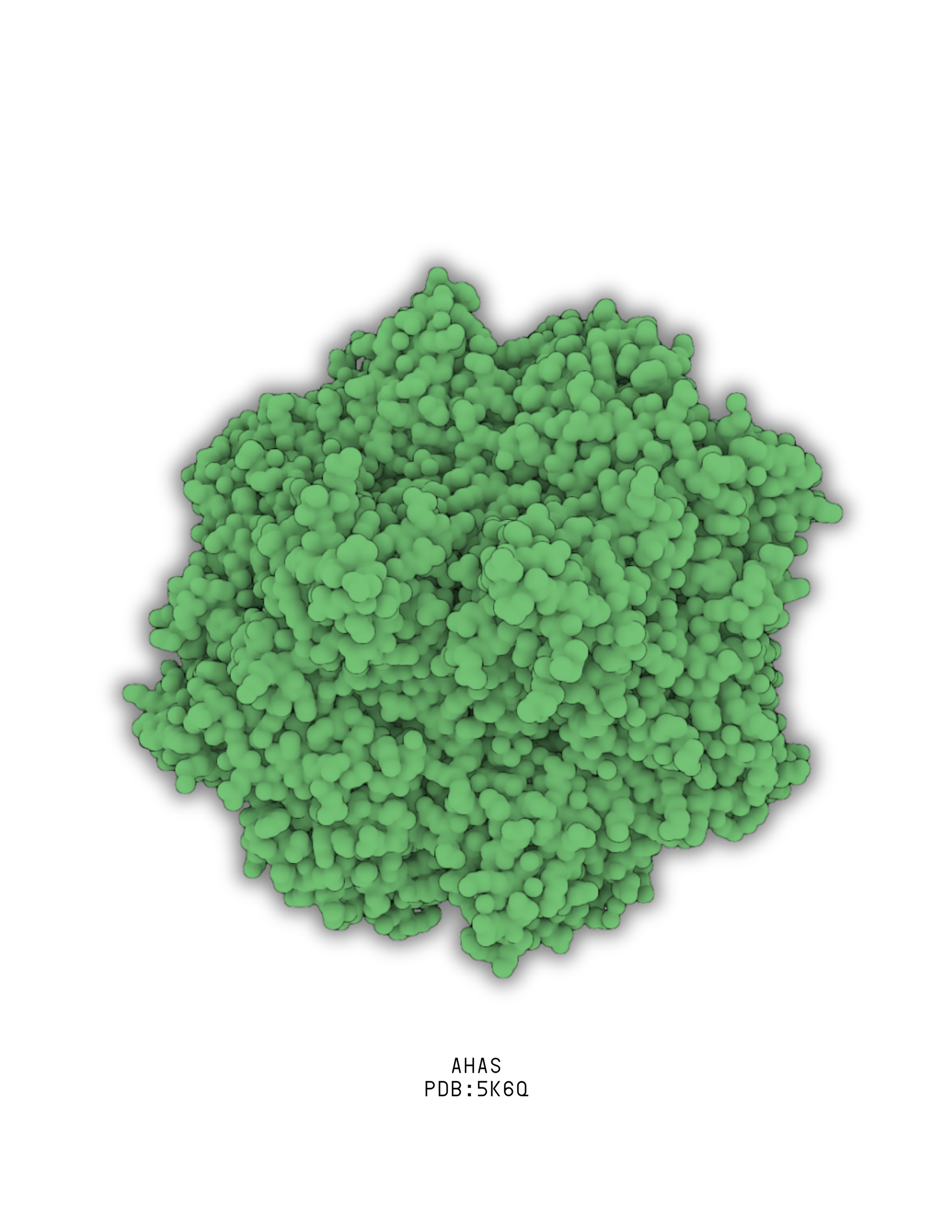
Expression Challenges for AHAS/ALS
Producing recombinant AHAS requires soluble protein that is correctly assembled and active in the presence of the required cofactors. The catalytic subunit of Arabidopsis thaliana AHAS has been expressed and purified from E. coli. The purified enzyme behaved as a dimer during gel filtration and required FAD, Mg²⁺, and thiamine diphosphate (ThDP) for catalytic activity [Chang and Duggleby, 1997]. These findings demonstrate successful recombinant production and highlight the importance of assessing assembly and activity under specified cofactor conditions alongside soluble recovery.
The isolated catalytic subunit is active, but it does not reproduce the feedback regulation of native plant AHAS. Combining separately expressed and purified Arabidopsis regulatory and catalytic subunits increased activity and made the enzyme sensitive to inhibition by valine, leucine, and isoleucine. Its regulatory behaviour closely resembled that of the native enzyme [Lee and Duggleby, 2001]. A preparation can therefore be catalytically active without showing the regulatory responses needed for a particular study.
For surrogate production, the intended application should determine whether the catalytic subunit alone is sufficient or whether the regulatory subunit is also needed to reproduce native feedback responses. Purified protein yield alone is therefore insufficient to judge production success. The goal is to obtain sufficient soluble, correctly assembled AHAS that supports cofactor-dependent catalysis and represents the functional properties needed for downstream characterization or safety studies.
Metabolic detoxification
Phosphinothricin acetyltransferase
Enzyme: Phosphinothricin acetyltransferase (PAT)
Physiological Role: Phosphinothricin acetyltransferase (PAT), also called phosphinothricin N-acetyltransferase, is a bacterial acetyltransferase. PAT is not native to plants.
The enzyme is encoded by two closely related genes:
– bar, isolated from Streptomyces hygroscopicus
– pat, isolated from Streptomyces viridochromogenes
Both genes encode homologous PAT proteins of approximately 20–22 kDa. The enzymes are commonly described as active homodimers and have similar substrate affinity and biochemical activity toward L-phosphinothricin, the herbicidally active form of glufosinate [Wehrmann A et al., 1996].
In their native bacterial hosts, PAT-type enzymes contribute to resistance against phosphinothricin-containing natural products. When expressed in a crop, PAT provides a metabolic detoxification mechanism that protects the crop from glufosinate injury.
Herbicide: Glufosinate ammonium
Glufosinate MOA: Glufosinate ammonium, also known as L-phosphinothricin or PPT inhibits glutamine synthetase (GS), blocking ammonia assimilation and disrupting photosynthesis and nitrogen metabolism, resulting in plant death. The herbicide binds irreversibly to the active site of GS, preventing the conversion of glutamate and ammonia to glutamine. This leads to rapid accumulation of toxic ammonia, depletion of glutamine and downstream amino acid synthesis, inhibition of photosynthetic carbon dioxide fixation, chlorosis, desiccation, and necrosis [Hoerlein G, 1994].
Glufosinate Tolerance: Glufosinate is a non‑selective herbicide and tolerance is most commonly established through the introduction of the bar or pat gene. PAT rapidly detoxifies glufosinate by the transfer of an acetyl group from acetyl-CoA to glufosinate resulting in N-acetyl-L-glufosinate (NAG) that lacks herbicidal activity, preventing GS binding and inhibiting glufosinate activity.
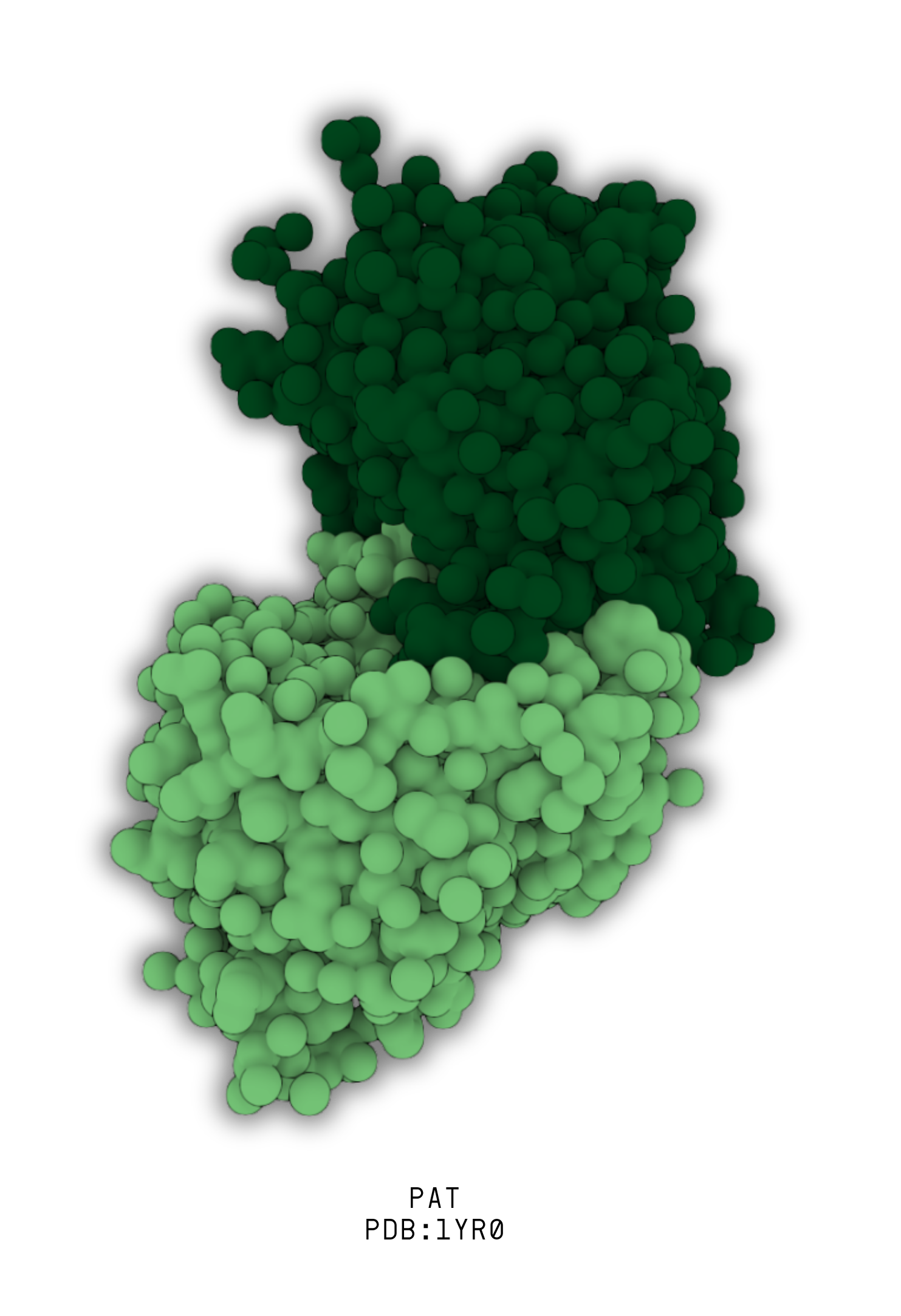
Expression Challenges for PAT
PAT provides an example of successful bacterial production of trait proteins for biochemical characterization. Both BAR- and PAT-derived enzymes have been expressed in E. coli, purified, and characterized as homodimers [Wehrmann et al., 1996]. Construct design can still influence expression. In a study using a pat gene codon-optimized for plant expression, changes to the 5′ coding region improved expression. The authors attributed this improvement to removal of a potential mRNA secondary structure that could inhibit translation initiation. Under similar conditions, Pseudomonas fluorescens provided 30-fold higher PAT expression than E. coli [Maddhrui and Snodderley, 2007].
For use as a surrogate, microbial PAT should be compared with the corresponding crop-produced protein. Wehrmann et al. used gel filtration and activity measurements to show that bacterial-produced BAR and PAT, and their counterparts in transgenic tobacco extracts, formed active homodimers of approximately 43 kDa [Wehrmann et al., 1996]. Wang et al. used SDS-PAGE and N-terminal sequencing to characterize bacterial- and cottonseed-derived PAT. They documented the expected apparent subunit mass and removal of the initial methionine from the plant-produced protein. Purified cottonseed PAT also retained measurable catalytic activity [Wang et al., 2013].
These studies show how molecular mass, purity, identity, and assembly can be assessed. Functional comparison could include specific activity and substrate-dependent kinetics, using the same PAT gene product from both sources under matched assay conditions. Assessing both L-phosphinothricin and acetyl-CoA is relevant because bacterial BAR and PAT showed similar affinity for L-phosphinothricin but different affinity for acetyl-CoA [Wehrmann et al., 1996]. These comparisons would help establish whether the recovered PAT has the biochemical properties needed to serve as a surrogate for the crop-produced enzyme.
Aryloxyalkanoate dioxygenase
Enzyme: Aryloxyalkanoate dioxygenase (AAD-1 and AAD-12)
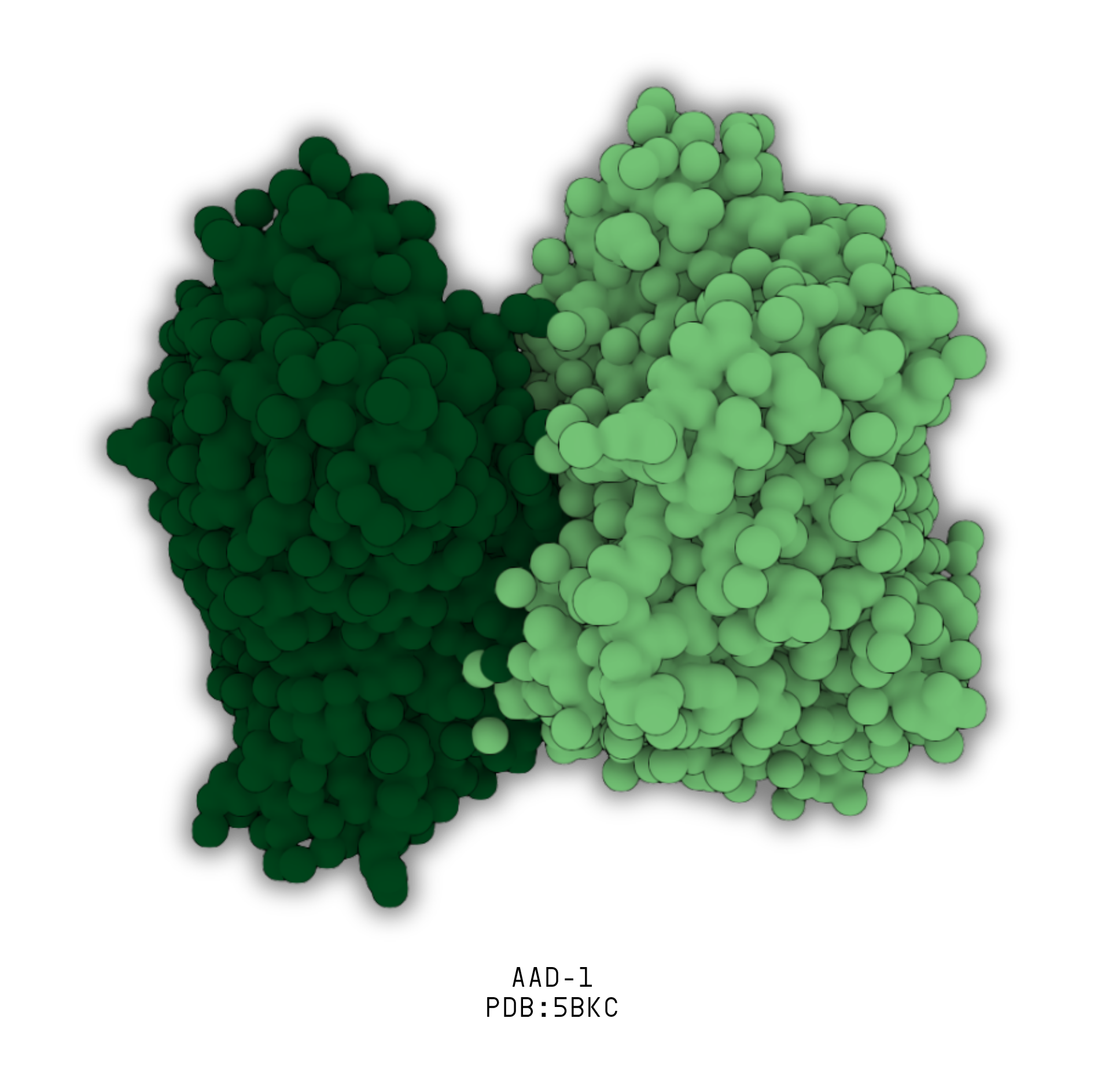
Physiological Role: AAD‑1 and AAD‑12 are nonheme Fe(II)/α‑ketoglutarate (αKG)-dependent dioxygenases derived from the soil bacteria Sphingobium herbicidovorans and Delftia acidovorans, respectively. The proteins are approximately 32–33 kDa.
The enzymes initiate oxidative degradation of aryloxyalkanoate herbicides, in their native bacterial source. They catalyze Fe(II)/αKG-dependent oxidative ether bond cleavage, in which αKG is converted to succinate and carbon dioxide while the herbicide is cleaved into a phenolic metabolite and an α-ketoacid product. AAD‑1 has activity against 2,4-D and selected aryloxyphenoxypropionate herbicides, whereas AAD‑12 has activity against 2,4-D and selected pyridyloxyacetate herbicides, including triclopyr and fluroxypyr [Chekan et al., 2019, Griffin et al., 2013].
Herbicide: 2,4-dichlorophenoxyacetic acid (2,4-D)
2,4-D MOA: 2,4-D is a synthetic auxin herbicide that mimics indole-3-acetic acid (IAA), the principal natural auxin that regulates plant growth and development. At herbicidal concentrations, 2,4-D binds to Transport Inhibitor Response1/Auxin-Signaling F-Box (TIR1/AFB) auxin receptors and promotes degradation of Aux/IAA transcriptional repressors through the ubiquitin–proteasome pathway. This releases auxin response factors (ARFs), leading to excessive and poorly regulated activation of auxin-responsive genes. The resulting disruption of normal hormone signaling alters growth, vascular development, ethylene production, reactive oxygen species, and abscisic acid responses, ultimately causing injury and death in susceptible broadleaf plants [Song, 2014].
2,4-D Tolerance: Tolerance to 2,4-D can be established by introducing aad‑1 or aad‑12 genes. AAD enzymes detoxify 2,4-D through Fe(II)/αKG-dependent oxidative ether-bond cleavage, converting 2,4-D to 2,4-dichlorophenol (2,4-DCP) and glyoxylate while converting αKG to succinate and carbon dioxide. This reaction removes the intact aryloxyacetate structure required for synthetic auxin activity. The resulting metabolites do not activate the auxin co-receptor system as does the parent herbicide. This is a metabolic detoxification mechanism, rather than target-site insensitivity [Chekan et al., 2019].
Expression Challenges for AAD
Producing recombinant AAD requires an active enzyme that retains the expected substrate specificity. AAD-1 shows (R)-enantioselective activity toward chiral herbicides, including (R)-dichlorprop, (R)-cyhalofop, and (R)-quizalofop [Wright et al., 2010]. Earlier studies of recombinant RdpA, later designated AAD-1, showed conversion of (R)-dichlorprop and (R)-mecoprop but not their corresponding (S)-enantiomers [Müller et al., 2006]. AAD-12 instead accepts (S)-dichlorprop and (S)-cyhalofop. When AAD-12 produced in Pseudomonas fluorescens was compared with soybean-derived AAD-12, both preparations showed activity toward (S)-dichlorprop but not (R)-dichlorprop. This demonstrated that the same stereoselectivity was maintained across the two production sources [Wright et al., 2010; Griffin et al., 2013].
Maintaining a functional, iron-dependent active site is therefore an important part of recombinant AAD production. AAD requires Fe(II) and α-ketoglutarate for catalysis, and published activity assays include ferrous iron and ascorbate [Wright et al., 2010]. Studies of recombinant RdpA also showed lower activity without ascorbate, consistent with its role in maintaining catalytically available Fe(II) [Müller et al., 2006]. Recovering protein does not by itself establish that its active site is functional. Adding iron or ascorbate should not be assumed to restore activity lost through incorrect folding or protein damage.
For surrogate characterization, recombinant and crop-produced AAD should be compared for catalytic activity and specificity toward the relevant substrates and enantiomers. Where appropriate, activity could also be measured across substrate concentrations to estimate Km and kcat using matched assay conditions and reliable measurements of AAD content. Substrate inhibition and plant-matrix effects should be considered when interpreting the results, as both were relevant to the AAD-12 comparison [Griffin et al., 2013]. The goal is to obtain sufficient active AAD whose substrate selectivity and catalytic properties support its use as a surrogate for the crop-produced enzyme.
Dicamba monooxygenase
Enzyme: Dicamba monooxygenase (DMO)
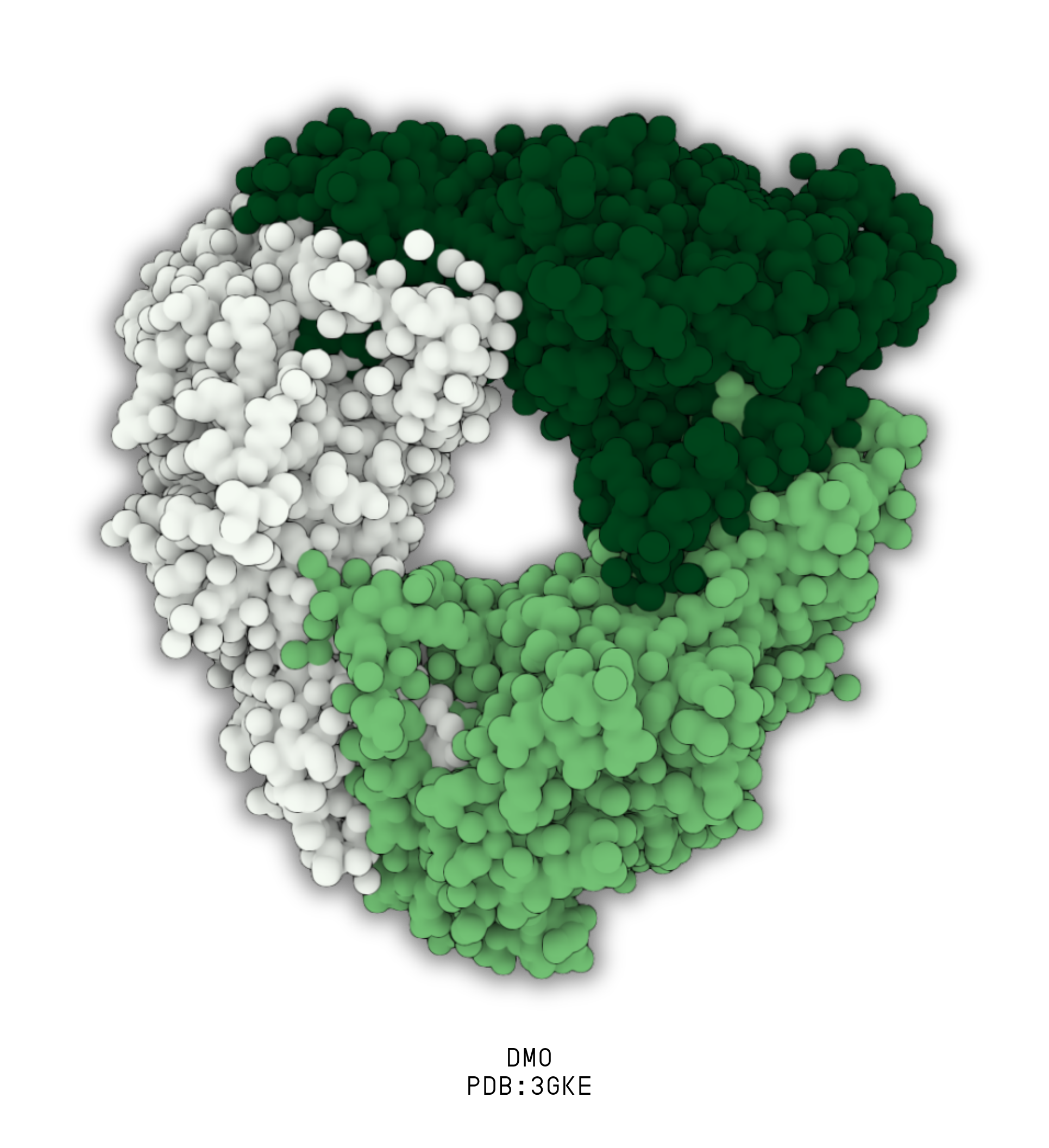
Physiological Role: DMO is a Rieske non-heme oxygenase with approximately 38 kDa subunits that assemble into a trimer. Isolated from the soil-dwelling bacterium Stenotrophomonas maltophilia, strain DI-6, DMO functions as the terminal oxygenase, part of a three-component enzyme system consisting of a reductase and a ferredoxin.
DMO catalyzes the NADH-dependent oxidative demethylation of dicamba (3,6-dichloro-2-methoxybenzoic acid) to produce herbicidally inactive 3,6-dichlorosalicylic acid (DCSA) and formaldehyde. DMO is not native to plants [D’Ordine et al., 2009]
Herbicide: Dicamba
Dicamba MOA: Dicamba is a synthetic auxin herbicide. Like 2,4-D, it dysregulates auxin signaling through TIR1/AFB auxin receptors, causing Aux/IAA repressor degradation resulting in uncontrolled activation of auxin-response genes. This results in similar growth inhibitions, hormonal imbalance, ethylene and reactive oxygen species (ROS) bursts, abnormal growth, vascular disruption, and death of susceptible broadleaf plants [Grossmann, 2010].
Dicamba Tolerance: DMO-based tolerance is introduced by expressing a dmo gene that converts dicamba into 3,6-dichlorosalicylic acid, a metabolite with substantially reduced herbicidal activity. Some crop constructs use a chloroplast transit peptide that enables its chloroplastic localization for electron-supply to detoxify dicamba efficiently [Wang R et al., 2024].
Expression Challenges for DMO
Producing active recombinant DMO requires soluble protein with the assembly and metal centers needed for catalysis. DMO forms a trimer, with each subunit containing a Rieske [2Fe–2S] cluster and a mononuclear iron center. This arrangement allows electron transfer between neighbouring subunits, making correct assembly important for enzyme activity [Dumitru et al., 2009; D’Ordine et al., 2009]. Expression conditions can affect soluble recovery. Herman et al (2005) reported that recombinant DMO accumulated in inclusion bodies when expressed in E. coli at 37°C, whereas expression at 15°C allowed soluble recovery. Dumitru et al (2009) also observed some activity loss after freezing under their experimental conditions. These findings highlight the importance of assessing soluble recovery, assembly, functional metal centers, and retention of activity during production and storage.
DMO is the terminal oxygenase of the three component dicamba O-demethylase system, which also includes ferredoxin and reductase. Activity assays of purified DMO therefore require a compatible electron supply [D’Ordine et al., 2009]. For example, Wang C et al (2024) compared DMO variants by using HPLC to measure dicamba conversion to 3,6-dichlorosalicylic acid (DCSA), with ferredoxin, reductase, NADH, and Fe(II) supplied in the assay. This approach provides a basis for comparing specific activity under matched conditions, with product formation normalized to the amount of DMO present.
Surrogate design should also consider how chloroplast-targeting sequences are processed in the particular crop. N-terminal differences should be identified and assessed for their effects on function. These differences do not necessarily rule out comparability: DMO variants with different N-terminal extensions have shown comparable functional activity [Wang C et al., 2024]. The goal is to obtain sufficient soluble, correctly assembled, catalytically active DMO whose molecular form and biochemical properties support its use as a surrogate for the crop-produced protein.
Nitrilase
Enzyme: Bromoxynil-specific Nitrilase
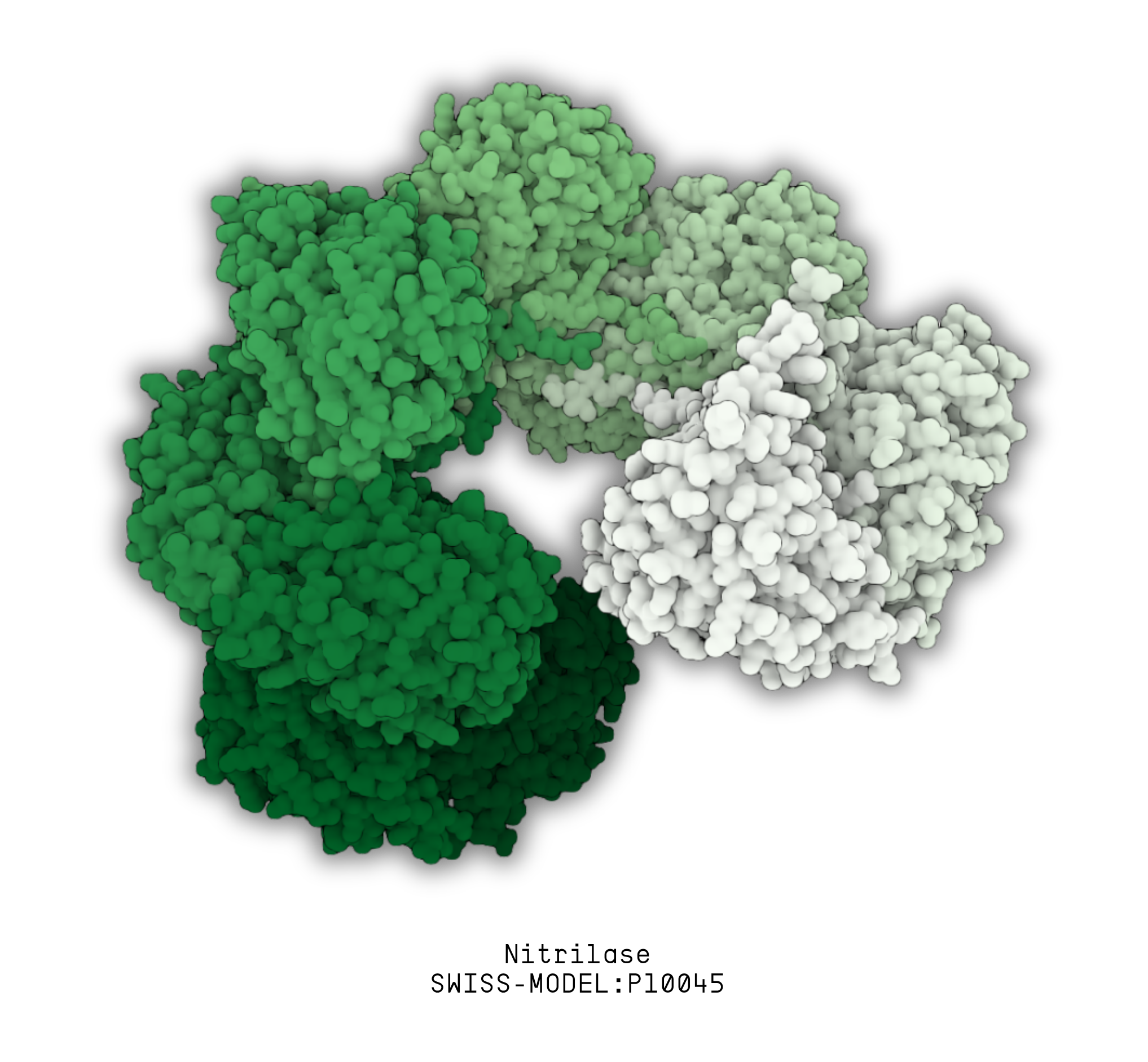
Physiological Role: Bromoxynil Nitrilase is a hydrolase enzyme used in crops. They are not native to plants and are isolated from the soil bacterium Klebsiella pneumoniae subsp. ozaenae. The physiological role of the ~37 kDa nitrilase in the bacteria is to hydrolyze a nitrile-containing compound into the corresponding carboxylic acid while releasing ammonia serving as the bacteria’s nitrogen source [Stalker et al., 1987].
Herbicide: Bromoxynil (3,5-dibromo-4-hydroxybenzonitrile)
Bromoxynil MOA: Bromoxynil is primarily a contact herbicide and a photosystem II (PSII) inhibitor. It binds in the plastoquinone 𝑸B-binding pocket of the D1 protein, blocking electron transfer from the primary quinone acceptor 𝑸A to plastoquinone at the 𝑸B site. This disrupts photosynthetic electron transport and, under light, promotes reactive oxygen species formation and oxidative damage. The resulting photochemical injury causes loss of membrane integrity, desiccation, necrosis, and death of susceptible plants [Fantuzzi et al., 2022].
Bromoxynil Tolerance: Tolerance to the bromoxynil herbicide is primarily attained through the introduction of the bxn nitrilase gene from Klebsiella pneumoniae subsp. ozaenae. Nitrilase breaks down bromoxynil (3,5‑dibromo‑4‑hydroxybenzonitrile) to 3,5‑dibromo‑4‑hydroxybenzoic acid (DBHA) and ammonia [Stalker et al., 1987].
Expression Challenges for bromoxynil-specific nitrilase
For bromoxynil-specific nitrilase, a key production consideration is recovering soluble protein that retains the assembly and catalytic activity. The enzyme from Klebsiella ozaenae was expressed in E. coli at 5–10% of total protein and purified to homogeneity. Gel filtration and SDS-PAGE supported an active homodimer composed of approximately 37-kDa subunits [Stalker et al., 1988]. These findings demonstrate successful bacterial production and provide a basis for evaluating the recovered enzyme’s assembly and activity.
With nitrilase, preserving catalytic activity during recovery is another consideration. The importance of cysteine has been demonstrated by mutagenesis of a related nitrilase from Rhodococcus rhodochrous J1 [Kobayashi et al., 1992]. Bromoxynil-specific nitrilase was sensitive to thiol-reactive reagents, and its reported extraction and purification included buffers containing the reducing agent dithiothreitol (DTT) [Stalker et al., 1988]. These observations support evaluating thiol-preserving conditions during process development, with their effectiveness assessed through retained bromoxynil-hydrolyzing activity.
For surrogate validation, oligomeric assembly and specific catalytic activity assessment are essential. Assembly could be examined by size-exclusion chromatography, optionally coupled with multi-angle light scattering, which has been used to characterize other nitrilase family enzymes [Justo Arevalo et al., 2022]. Substrate-concentration studies could extend this assessment to Km and kcat provided enzyme concentration is reliably established. Therefore the production endpoint is sufficiently soluble, correctly assembled and catalytically active nitrilase whose biochemical properties support its use as a surrogate for downstream characterization or safety studies.
Current Herbicide Tolerance Traits
Representative protein-mediated HT trait examples
| Protein | Herbicide Tolerance | Registered Crop / Commodity | Event Name | Biological Source |
| CP4 EPSPS / mEPSPS / GAT / GOX | Glyphosate herbicide tolerance | Canola, Soybean, Cotton, Alfalfa, Sugar beet, Maize | GT73, GTS 40-3-2, MON1445, J101, H7-1, GA21, 98140, MON87427 | Agrobacterium tumefaciens strain CP4, Zea mays, Bacillus licheniformis, Ochrobactrum anthropi strain LBAA |
| HPPD | HPPD inhibitors tolerance (Isoxaflutole, Mesotrione, Tembotrione) | Cotton, Soybean | GHB811, SYHT0H2 | Pseudomonas fluorescens strain A32, Avena sativa |
| AHAS / ALS | ALS inhibitor tolerance (Sulfonylureas, Imidazolinones) | Soybean, Maize, Carnation, Cotton, Flax | CV127, 98140, 123.8.12, 19-51a, FP967 | Arabidopsis thaliana, Zea mays, Nicotiana tabacum |
| PAT / BAR | Glufosinate herbicide tolerance | Canola, Soybean, Cotton, Maize, Rice, Sugar beet | MS8, A2704-12, LLCotton25, T25, LLRICE06, T120-7 | Streptomyces hygroscopicus, Streptomyces viridochromogenes strain Tu494 |
| AAD-1 / AAD-12 | 2,4-D and synthetic auxin | Soybean, Maize, Cotton, | DAS44406-6, DAS40278, 81910 | Delftia acidovorans, Sphingobium herbicidovorans |
| DMO | Dicamba herbicide tolerance | Canola, Soybean, Cotton, Maize, Sugar beet | MON94100, MON87708, MON88701, MON87419, KWS20-1 | Stenotrophomonas maltophilia strain DI-6 |
| BXN / Nitrilase | Bromoxynil / Oxynil herbicide tolerance | Canola, Cotton, Tobacco | OXY-235, 31807, C/F/93/08-02 | Klebsiella pneumoniae subsp. ozaenae |
Tip: For easier reading of the above table, view in landscape mode on your mobile device.
Non-Protein-Based Input Traits
Other Approaches to Crop Trait Development: RNAi and CRISPR
Transgenic expression of HT enzymes underpins the established commercial HT systems described above. RNA interference (RNAi) and CRISPR-based genome editing provide additional molecular routes for crop trait development, with applications in insect resistance and herbicide tolerance. These approaches broaden the available options alongside the established use of transgenic trait proteins.
RNAi is an established gene-silencing technology that reduces the expression of selected target transcripts. In plant-delivered RNAi, a transgenic crop produces double-stranded RNA (dsRNA) targeting an essential pest gene. After ingestion by a susceptible insect, the dsRNA is processed into small interfering RNAs (siRNAs), which guide the degradation of complementary target mRNA [Bolognesi et al., 2012].
Examples include maize MON87411, which produces dsRNA targeting DvSnf7, and DP23211, which targets DvSSJ1. DvSnf7 is a component of the endosomal sorting machinery involved in intracellular trafficking, while DvSSJ1 is a membrane protein required for intestinal barrier function. Silencing these genes disrupts essential insect functions and can cause mortality. Both maize events also contain additional protein-based insect resistance and herbicide tolerance traits [Ahmad et al., 2016; Hu et al., 2020; Anderson et al., 2020].
CRISPR-based genome editing provides another route to target-site herbicide tolerance by modifying endogenous crop genes. In maize, CRISPR/Cas9-mediated editing of ZmEPSPS generated glyphosate-tolerant plants carrying engineered EPSPS amino-acid substitutions [Kaul et al., 2024]. In soybean, base editing of GmALS1 and GmALS3 introduced substitutions at Pro178 and Pro172, respectively, producing tolerance to flucarbazone-sodium that was evaluated in greenhouse and field experiments [Niu et al., 2024]. These studies demonstrate the potential to develop HT crops without introducing a heterologous HT enzyme.
Although these approaches expand the possibilities for crop trait development, transgenic HT enzyme expression remains the backbone of established commercial HT trait stacks. Characterizing these proteins therefore remains important, including the use of recombinant surrogates when insufficient material can be recovered from the crop for the intended studies [Brune et al., 2021].
Conclusion: From Trait Discovery to Active Surrogate Protein
Understanding herbicide tolerance biology is essential for trait design, but it does not by itself ensure access to the protein material needed to characterize, validate, and advance a crop event. A trait protein may function effectively in the plant yet be expressed at a level too low for practical isolation from crop tissue, particularly when multiple grams of purified material are needed for downstream work. Plant extraction can be further complicated by tissue-specific expression, proteases and secondary metabolites, matrix interference, low solubility, loss of cofactors, and protein instability during multistep purification.
When crop-derived protein is insufficient, a recombinant surrogate can provide the material needed. However, the objective is not simply to generate the predicted amino acid sequence at high yield. The surrogate must be appropriately representative of the crop-produced protein for the intended application. Specifically, expression and extraction are critical but so is the activity and catalytic potential of the recombinant protein produced at gram scale for the intended use. A weight of evidence comparison may include molecular weight, amino acid sequence, purity profile, biochemical activity, functional specificity, immunoreactivity, and relevant post-translational characteristics.
For crop science teams, protein supply should therefore be considered early on in trait development, not only after an event has been selected or a regulatory study has been scheduled. Early assessment is especially valuable when a target protein has one or more features that can complicate production or recovery:
| Low expression in the relevant crop tissue |
| Limited stability during extraction or purification |
| Dependence on cofactors, metal centers, or additional environment requirements |
| Oligomeric assembly requirements |
| Proteolytic processing or organellar targeting sequences |
| Poor soluble recovery or aggregation in conventional hosts |
| Demonstrate that the recombinant material is equivalent to crop-produced protein |
Future Fields’ EntoEngine® platform provides an alternate pathway to achieve multiple grams of recombinant surrogates. The EntoEngine® uses transgenic Drosophila melanogaster as a whole-insect expression system, providing a eukaryotic environment for production of challenging recombinant proteins. The platform is intended to support recovery of biologically active protein when conventional microbial systems do not provide the required combination of soluble yield, activity, stability, and study-appropriate protein quality.
The EntoEngine® supports:
✓ Early trait discovery and protein feasibility assessment
✓ Protein prototyping for candidate selection and construct evaluation
✓ Biochemical and functional characterization
✓ Bioactivity and analytical method development
✓ Protein identity, purity, and plant–surrogate comparability studies
✓ Purified protein supply for applicable biosafety and regulatory-support programs
For complex herbicide tolerance enzymes and insecticidal proteins, the goal is not to replace every conventional host. Rather, it is to provide a rational next option when a project requires active, purified, and scalable protein that cannot be obtained reliably through plant extraction or standard expression workflows.
By integrating the EntoEngine® earlier into crop trait development, teams can reduce the risk that insufficient or non-representative material becomes a late stage bottleneck. From early R&D through multi-gram supply for applicable characterization and safety-support studies, EntoEngine® can help crop science programs move from trait sequence to gram-scale protein test materials.
How can the EntoEngine® help you secure multi-gram quantities of surrogate proteins for your Herbicide Tolerance trait regulatory studies? Download our tech brief to learn more.

Sources
- Brune P, Chakravarthy S, Graser G, et al. Core and Supplementary Studies to Assess the Safety of Genetically Modified (GM) Plants Used for Food and Feed. Journal of Regulatory Science. 2021;9(1):45–60.
- Wang R, Zhang J, Cheever ML, et al. Considerations for safety assessment of intractable proteins expressed in genetically modified crops. Journal of Regulatory Science. 2024;12(1).
- Alibhai MF, Stallings WC. Closing down on glyphosate inhibition–with a new structure for drug discovery. Proc Natl Acad Sci U S A. 2001;98(6):2944-2946.
- Della-Cioppa G, Bauer SC, Klein BK, Shah DM, Fraley RT, Kishore GM. Translocation of the precursor of 5-enolpyruvylshikimate-3-phosphate synthase into chloroplasts of higher plants in vitro. Proc Natl Acad Sci U S A. 1986;83(18):6873-6877.
- Reed KB, Kim W, Lu H, et al. Evolving dual-trait EPSP synthase variants using a synthetic yeast selection system. Proc Natl Acad Sci U S A. 2024;121(35):e2317027121.
- Funke T, Yang Y, Han H, et al. Structural basis of glyphosate resistance resulting from the double mutation Thr97 -> Ile and Pro101 -> Ser in 5-enolpyruvylshikimate-3-phosphate synthase from Escherichia coli. J Biol Chem. 2009;284(15):9854-9860.
- Herouet-Guicheney C, Rouquié D, Freyssinet M, et al. Safety evaluation of the double mutant 5-enol pyruvylshikimate-3-phosphate synthase (2mEPSPS) from maize that confers tolerance to glyphosate herbicide in transgenic plants. Regul Toxicol Pharmacol. 2009;54(2):143-153.
- Duke SO. Glyphosate degradation in glyphosate-resistant and -susceptible crops and weeds. J Agric Food Chem. 2011;59(11):5835-5841.
- Castle LA, Siehl DL, Gorton R, et al. Discovery and directed evolution of a glyphosate tolerance gene. Science. 2004;304(5674):1151-1154.
- Padgette SR, Huynh QK, Borgmeyer J, et al. Bacterial expression and isolation of Petunia hybrida 5-enol-pyruvylshikimate-3-phosphate synthase. Arch Biochem Biophys. 1987;258(2):564-573.
- Peng Y, He W, Li Y, et al. Degradation of CP4-EPSPS with a Psychrophilic Bacterium Stenotrophomonas maltophilia 780. Biomolecules. 2022;12(2):318.
- Priestman MA, Funke T, Singh IM, Crupper SS, Schönbrunn E. 5-Enolpyruvylshikimate-3-phosphate synthase from Staphylococcus aureus is insensitive to glyphosate. FEBS Lett. 2005;579(3):728-732.
- Wu H, Wang X, Zhou X, et al. Targeting the middle region of CP4-EPSPS protein for its traceability in highly processed soy-related products. J Food Sci Technol. 2017;54(10):3142-3151.
- Moran GR. 4-Hydroxyphenylpyruvate dioxygenase. Arch Biochem Biophys. 2005;433(1):117-128. doi:10.1016/j.abb.2004.08.015
- Matringe M, Sailland A, Pelissier B, Rolland A, Zink O. p-Hydroxyphenylpyruvate dioxygenase inhibitor-resistant plants. Pest Manag Sci. 2005;61(3):269-276.
- Lin HY, Chen X, Chen JN, et al. Crystal Structure of 4-Hydroxyphenylpyruvate Dioxygenase in Complex with Substrate Reveals a New Starting Point for Herbicide Discovery. Research (Wash D C). 2019;2019:2602414.
- Lederer B, Böger P. Recombinant p-hydroxyphenylpyruvate dioxygenase of high activity. Z Naturforsch C J Biosci. 2005;60(7-8):549-556.
- McCourt JA, Pang SS, King-Scott J, Guddat LW, Duggleby RG. Herbicide-binding sites revealed in the structure of plant acetohydroxyacid synthase. Proc Natl Acad Sci U S A. 2006;103(3):569-573.
- Chang AK, Duggleby RG. Expression, purification and characterization of Arabidopsis thaliana acetohydroxyacid synthase. Biochem J. 1997;327 ( Pt 1)(Pt 1):161-169.
- Lee YT, Duggleby RG. Identification of the regulatory subunit of Arabidopsis thaliana acetohydroxyacid synthase and reconstitution with its catalytic subunit. Biochemistry. 2001;40(23):6836-6844.
- Wehrmann A, Van Vliet A, Opsomer C, Botterman J, Schulz A. The similarities of bar and pat gene products make them equally applicable for plant engineers. Nat Biotechnol. 1996;14(10):1274-1278.
- Hoerlein G. Glufosinate (phosphinothricin), a natural amino acid with unexpected herbicidal properties. Rev Environ Contam Toxicol. 1994;138:73-145.
- Madduri KM, Snodderley EM. Expression of phosphinothricin N-acetyltransferase in Escherichia coli and Pseudomonas fluorescens: influence of mRNA secondary structure, host, and other physiological conditions. Protein Expr Purif. 2007;55(2):352-360.
- Wang C, Lee TC, Crowley KS, Bell E. Purification of phosphinothricin acetyltransferase using Reactive brown 10 affinity in a single chromatography step. Protein Expr Purif. 2013;90(2):129-134.
- Chekan JR, Ongpipattanakul C, Wright TR, et al. Molecular basis for enantioselective herbicide degradation imparted by aryloxyalkanoate dioxygenases in transgenic plants. Proc Natl Acad Sci U S A. 2019;116(27):13299-13304.
- Griffin SL, Godbey JA, Oman TJ, et al. Characterization of aryloxyalkanoate dioxygenase-12, a nonheme Fe(II)/α-ketoglutarate-dependent dioxygenase, expressed in transgenic soybean and Pseudomonas fluorescens. J Agric Food Chem. 2013;61(27):6589-6596.
- Song Y. Insight into the mode of action of 2,4-dichlorophenoxyacetic acid (2,4-D) as an herbicide. J Integr Plant Biol. 2014;56(2):106-113.
- Müller TA, Fleischmann T, van der Meer JR, Kohler HP. Purification and characterization of two enantioselective alpha-ketoglutarate-dependent dioxygenases, RdpA and SdpA, from Sphingomonas herbicidovorans MH. Appl Environ Microbiol. 2006;72(7):4853-4861.
- D’Ordine RL, Rydel TJ, Storek MJ, et al. Dicamba monooxygenase: structural insights into a dynamic Rieske oxygenase that catalyzes an exocyclic monooxygenation. J Mol Biol. 2009;392(2):481-497.
- Grossmann K. Auxin herbicides: current status of mechanism and mode of action. Pest Manag Sci. 2010;66(2):113-120.
- Wang R, Zhang J, Cheever ML, Geng T, Herman R, Pence M, Schafer B, Verhalen B, Vigeolas H, Wang Y, Wu J, Wu PY, Ament C. Considerations for safety assessment of intractable proteins expressed in genetically modified crops. J Regul Sci. 2024;12(1).
- Dumitru R, Jiang WZ, Weeks DP, Wilson MA. Crystal structure of dicamba monooxygenase: a Rieske nonheme oxygenase that catalyzes oxidative demethylation. J Mol Biol. 2009;392(2):498-510.
- Herman PL, Behrens M, Chakraborty S, Chrastil BM, Barycki J, Weeks DP. A three-component dicamba O-demethylase from Pseudomonas maltophilia, strain DI-6: gene isolation, characterization, and heterologous expression. J Biol Chem. 2005;280(26):24759-24767.
- Wang C, Calcaterra J, Anderson B, et al. Risk assessment of homologous variants of biotech trait proteins using a bridging approach. GM Crops Food. 2024;15(1):336-351.
- Fantuzzi A, Allgöwer F, Baker H, et al. Bicarbonate-controlled reduction of oxygen by the QA semiquinone in Photosystem II in membranes. Proc Natl Acad Sci U S A. 2022;119(6):e2116063119.
- Stalker DM, McBride KE. Cloning and expression in Escherichia coli of a Klebsiella ozaenae plasmid-borne gene encoding a nitrilase specific for the herbicide bromoxynil. J Bacteriol. 1987;169(3):955-960.
- Stalker DM, Malyj LD, McBride KE. Purification and properties of a nitrilase specific for the herbicide bromoxynil and corresponding nucleotide sequence analysis of the bxn gene. J Biol Chem. 1988;263(13):6310-6314.
- Kobayashi M, Komeda H, Yanaka N, Nagasawa T, Yamada H. Nitrilase from Rhodococcus rhodochrous J1. Sequencing and overexpression of the gene and identification of an essential cysteine residue. J Biol Chem. 1992;267(29):20746-20751.
- Justo Arevalo S, Zapata Sifuentes D, Cuba Portocarrero A, et al. Genomic Characterization of Bacillus safensis Isolated from Mine Tailings in Peru and Evaluation of Its Cyanide-Degrading Enzyme CynD. Appl Environ Microbiol. 2022;88(14):e0091622.
- Martínková L, Rucká L, Nešvera J, Pátek M. Recent advances and challenges in the heterologous production of microbial nitrilases for biocatalytic applications. World J Microbiol Biotechnol. 2017;33(1):8.
- Kaul T, Thangaraj A, Jain R, et al. CRISPR/Cas9-mediated homology donor repair base editing system to confer herbicide resistance in maize (Zea mays L.). Plant Physiol Biochem. 2024;207:108374.
- Yang X, Zhu P, Gui J. Advancements of CRISPR-Mediated Base Editing in Crops and Potential Applications in Populus. Int J Mol Sci. 2024;25(15):8314. Published 2024 Jul 30.
